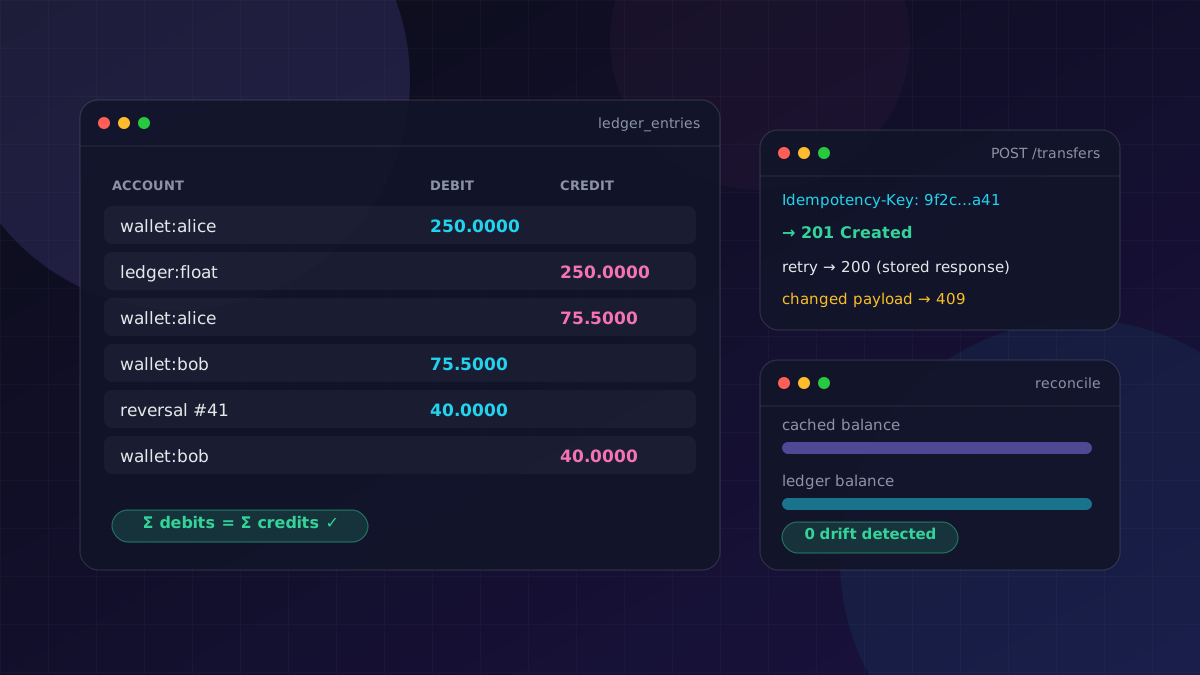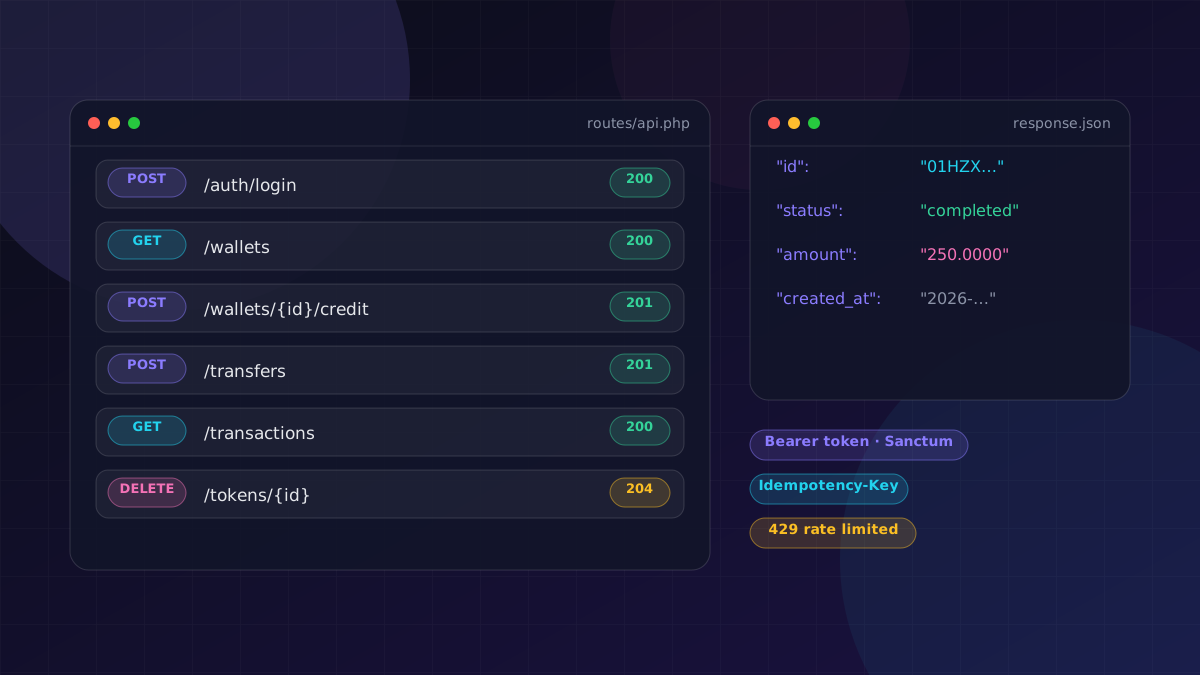
A good API is a contract. I define the resources and payloads up front, version the routes, authenticate with token-based schemes, validate every request and return consistent errors. For endpoints that change state, such as payments or orders, I add idempotency keys and rate limiting so network retries and abuse can't corrupt data.
I've built APIs consumed by mobile apps, web frontends and external partners. My open-source FinCore project is a worked example: versioned under /api/v1, Sanctum-authenticated, rate-limited and covered by feature tests.
What you get
- Resource design, versioning and consistent error responses
- Token authentication with Laravel Sanctum
- Idempotent, rate-limited write endpoints
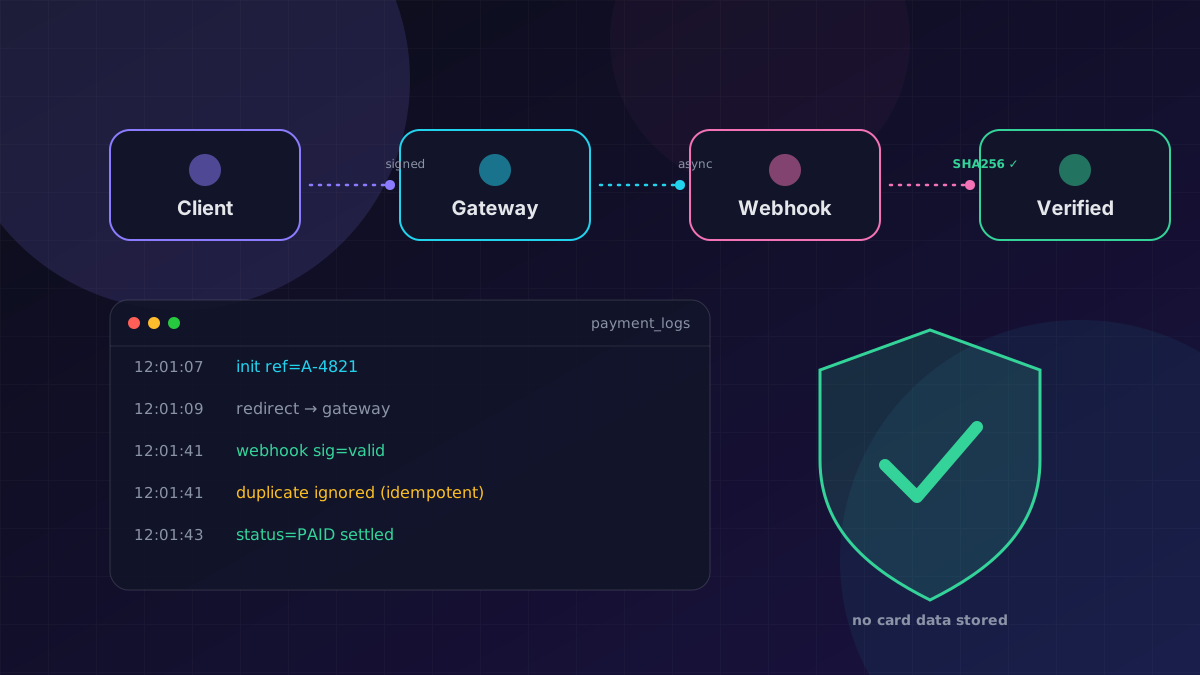
- Webhook receivers and third-party API clients
- Request validation and authorization policies
- API documentation and feature tests
Frequently asked questions
Can you build an API for my mobile app?
Yes. I build the backend and API that iOS, Android and cross-platform apps consume, including authentication, push-friendly data models and versioning.
Do you integrate third-party APIs?
Yes: payment gateways, shipping and notification services. I wrap them in small clients, verify responses and log what happened so issues can be traced.
How do you keep an API secure?
Token auth, strict validation, authorization policies per resource, rate limiting and, for sensitive writes, idempotency keys. Secrets stay in environment config, never in code.
Do you write API documentation?
I document endpoints and flows so your team and any client developers can use them without asking me. Tests act as living documentation of the edge cases.