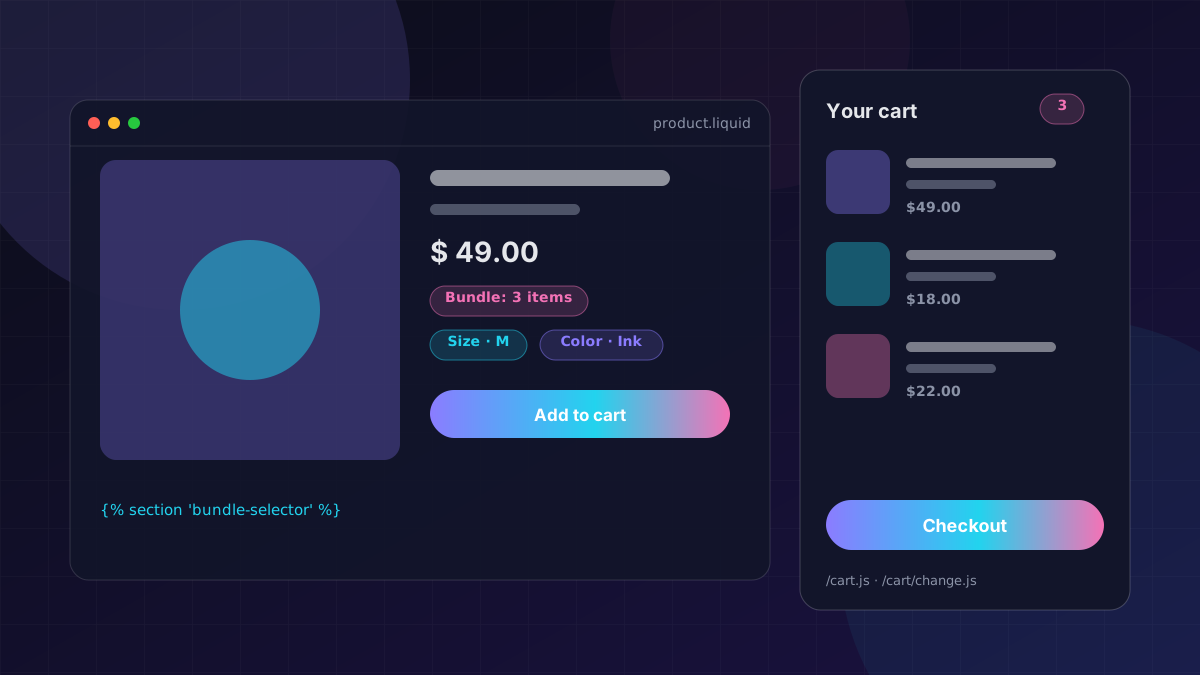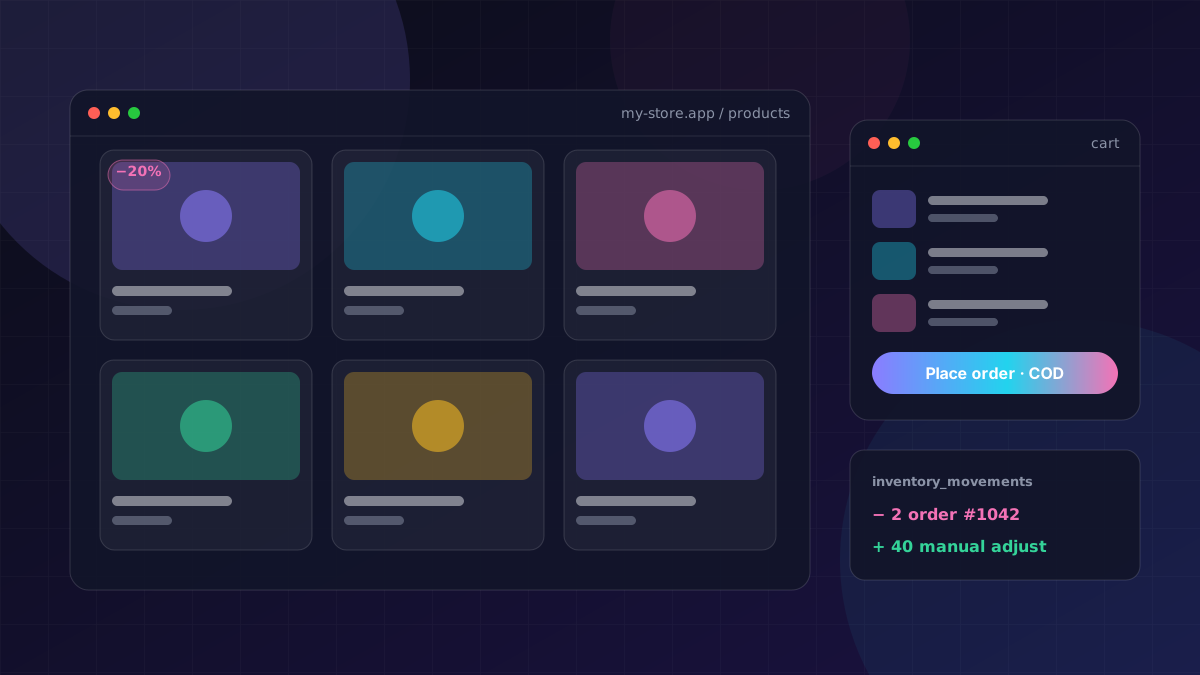
Different stores need different tools. For many businesses a customized Shopify or WooCommerce store is the right answer; for others a custom build gives control over pricing, inventory and workflows. I've done both: Shopify theme and cart work on a live store, and my open-source my-store platform, a full Next.js and PostgreSQL storefront and admin.
Whatever the platform, I care about the same things: stock that can't oversell, server-side price and coupon validation, a clear order lifecycle and pages search engines can read.
What you get
- Shopify Liquid templates, sections and theme customization
- Cart drawers and bundle selectors on the AJAX Cart API
- WooCommerce setups
- Custom stores: catalog, variants, inventory, orders
- Coupons, order lifecycle and transactional emails
- Product SEO and structured data
Frequently asked questions
Shopify, WooCommerce or custom: which should I pick?
It depends on budget, catalog complexity and how unusual your workflows are. I'll give you an honest recommendation; often a customized Shopify or WooCommerce store is the faster, cheaper route.
Can you add features to my existing Shopify store?
Yes: custom sections, bundle selectors, cart drawers and performance fixes, built on Shopify's own APIs rather than extra apps where possible.
Do you handle SEO for products?
I add canonical URLs, metadata and structured data such as Product and BreadcrumbList so product pages are eligible for rich results.
Can you integrate a payment gateway into my store?
Yes. See the payment gateway integration service for how I verify payments and handle webhooks safely.